A shadow is a dark shape or area that forms when an object blocks the light. But have you ever stopped to notice how easily something can hide in the shadows? The same thing happens metaphorically in our lives. We hide the parts of ourselves that we do not want anyone else to see. We stand in the light, hoping to be admired, noticed, and accepted, while behind us, in our shadows, are the parts of ourselves we fear others might reject.
Famous analytical psychologist Carl Jung proposed that each of us has a shadow containing qualities we fail to recognize, reject, or hide from ourselves. However, the shadow is not inherently evil. By acknowledging and accepting these disowned aspects of ourselves, we can become more psychologically integrated. Jung also described the persona, the identity or mask we present to the world. For example, a woman might present herself as the stereotypical “good girl” while concealing a sexually adventurous side of herself because she fears judgment. As we develop, our families, cultures, and communities teach us which qualities are acceptable and which should remain hidden. Those expectations influence the identities we present and the aspects of ourselves we disown.
Unfortunately, literature often portrays the shadow as someone’s dark or evil side. But the shadow is not necessarily evil. Sometimes, it simply contains the parts of ourselves we have been taught to hide. Richard Schwartz, the founder of Internal Family Systems (IFS), developed another framework for understanding our internal experiences. IFS proposes that the mind contains different parts, each serving a particular function.
Some parts, called exiles, carry emotional wounds and painful experiences. Managers attempt to prevent those wounds from being activated, while firefighters respond when emotional pain breaks through. Although these parts may sometimes conflict with one another, IFS emphasizes that even seemingly destructive behaviors can arise from parts attempting to protect us. The guiding principle is that there are no bad parts.
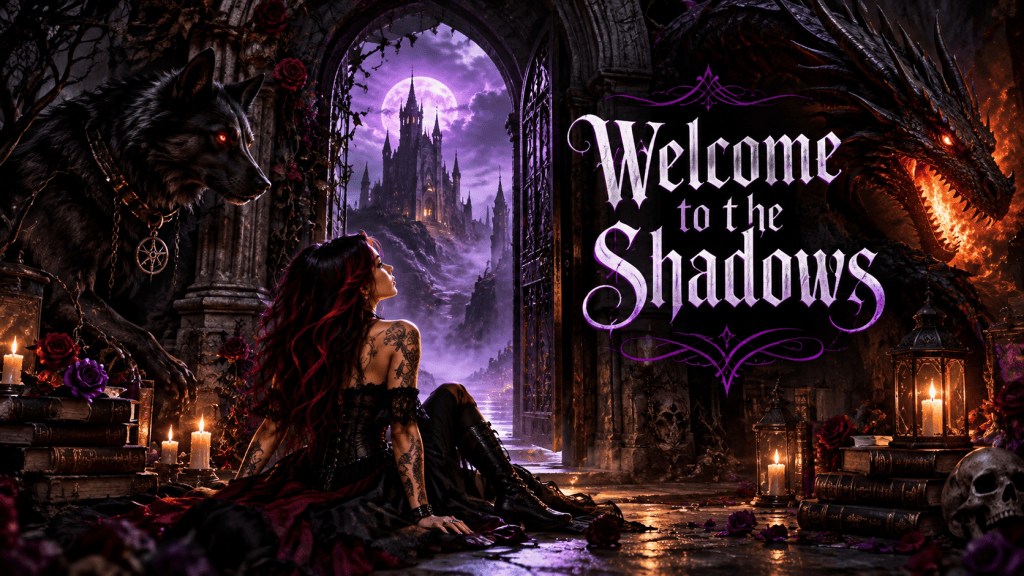
So, how does all of this relate to my work in psychology and my writing? The answer begins with something we already understand, even without studying psychology. We all have demons. Maybe your demon is the shame you carry from a decision you regret. Perhaps it is the feeling that you are unworthy of love, a wound that reopens whenever someone rejects you. These demons haunt us, so we hide them in the shadows, hoping no one will ever see them. To keep them from escaping and causing us pain, we place a guardian at the gates of our shadows. I like to imagine that guardian as a hellhound, fiercely protecting the parts of ourselves we are afraid to confront.
But every now and then, a demon slips through. Suddenly, we are forced to face the pain it carries. And that’s when we unleash the dragon. The dragon breathes fire, attempting to frighten the demon back into the shadows. But in its desperate effort to protect us, it destroys everything around it. That dragon might take the form of alcohol, drugs, gambling, or compulsive and risky sexual encounters. Whatever form it takes, its destructive behavior serves a purpose: keeping us from experiencing the pain we have tried so desperately to avoid. The goal isn’t to destroy our demons, guardians, or dragons. The goal is to learn how to walk through the shadows and dance with our demons, allowing our guardians and dragons to discover healthier ways of protecting us.
This is where The Shadows Universe begins.
When I wrote my first Shadows book, The Girl in the Shadows, I was confronting the pain of my sexual traumas for the first time. I was beginning to recognize how experiences from my past had influenced my relationship decisions and how those decisions had sometimes led me to hide my relationships from the world. That secrecy had created its own shame. Writing the book became a profound experience in my healing. Beneath the erotic themes and unconventional relationships was something much more personal: a story about confronting the parts of myself I had hidden and understanding why they existed. At the time, I had no intention of writing another Shadows book.
Years later, a new relationship brought hope and excitement about a future I believed we would build together. But when we opened our relationship so my partner could pursue another connection, everything began to fall apart. Because our relationship was non-monogamous, I struggled to find places where I felt comfortable discussing what had happened. Once again, my pain seemed to belong in the shadows. So, I picked up my pen.
I wrote the next two Shadows books while trying to understand and accept that it wasn’t necessarily the non-monogamous relationship structure that had caused the damage. Instead, I began examining the unhealed attachment wounds, destructive patterns, and choices that had shaped our relationship. When that former partner returned and familiar patterns resurfaced, I found myself confronting those wounds again. Some of the people closest to me struggled to understand why I remained emotionally involved, and I felt increasingly isolated in my pain. Once again, I retreated into the shadows. And once again, I picked up my pen.
Although I fictionalized much of the material, the emotions behind the stories came from genuine experiences. Writing gave me a place to explore the pain, confusion, shame, and complicated realities that I couldn’t always express elsewhere. That is what The Shadows Universe represents. It is about the parts of ourselves we conceal, the relationships we keep hidden, and the loneliness that can emerge when we have nowhere to process our internal conflicts. It is about the people who love us, the people who hurt us, and the ways our own protective patterns can sometimes contribute to the pain we experience. As The Shadows Universe continues to grow, its stories increasingly explore what happens when we begin to understand and accept the parts of ourselves we have spent our lives trying to hide. The demons, guardians, and dragons are not simply villains to defeat. They represent the wounds we carry, the ways we protect ourselves, and the possibility of finding healthier ways to live with our experiences.
Our shadows will always have a place in our lives. And perhaps our demons will never disappear completely. But healing does not require us to erase every painful part of ourselves. Sometimes, it begins when we finally find the courage to turn around, face what has been following us, and learn how to dance with our demons.
Happy reading and happy healing.
Welcome to The Shadows Universe.


Leave a Reply